

Buying a home throws a lot at you at once: loan applications, inspections, an appraisal, a title search, and, if you’re in the Chicago area, an attorney review period that begins as soon as both sides sign. What nobody hands you is a map of what happens when.
That’s what this guide is for. I’ll take you from your first honest look at your finances to the moment someone puts the keys in your hand, and I’ll point out the places where Chicago and Illinois do things a little differently. If all you want is a first-time home buyer checklist you can screenshot, skip ahead. There’s a short one near the end.
The Home Buying Process at a Glance
- Get honest about your budget and credit
- Get preapproved for a mortgage
- Line up your team: agent, attorney, and lender
- Search and tour homes
- Make an offer
- Get through attorney review and the inspection
- Clear the appraisal, underwriting, and title work
- Check your Closing Disclosure and do a final walkthrough
- Close and pick up your keys
Now let’s take them one at a time.
Step 1: Start With the Monthly Payment, Not the Price
Forget the sticker price for a minute and think about what leaves your bank account every month. A mortgage payment bundles principal and interest with property taxes and homeowners insurance. Buying a condo? Add monthly association assessments to the pile.
Pay extra attention to taxes if you’re shopping in Cook County. The figure printed in a listing can be out of date, or it may reflect a previous owner’s exemptions that won’t carry over to you. For any home you’re getting serious about, ask your agent to pull the latest bill and compare it with what the Cook County Assessor’s records show.
Next, cash. You’ll need the down payment, and you’ll also need closing costs: lender fees, title charges, prepaid items like insurance and taxes, and transfer costs. Inspections, the appraisal, and the moving truck come on top of that. Add it all up and the total usually lands higher than buyers expect. The reassuring part is that you don’t need 20% down. Several loan programs accept far less, and Illinois offers assistance of its own (more on that in Step 2).
Pull your credit reports before a lender does. Errors happen, and getting one corrected can take weeks. If you’d like an unbiased second opinion on your budget and credit, HUD lists approved housing counselors on its website.
Step 2: Get Preapproved for a Mortgage
A preapproval means a lender has actually gone through your finances and is willing to put it in writing: here’s roughly how much we’d lend you. Prequalification is a lot lighter than that. It’s a quick estimate based on whatever you tell the lender, and nobody checks any of it. Sellers know the difference, too, and a preapproval letter carries a lot more weight with them.
So here’s how to get preapproved for a mortgage, step by step. You’ll give the lender your income and job details, let them pull your credit, and send over paperwork like pay stubs, W-2s or tax returns, and a few months of bank statements. They go through all of it, and if everything checks out, you get a letter with a loan amount on it.
Don’t just go with the first lender you talk to. The Consumer Financial Protection Bureau suggests getting a Loan Estimate from at least three lenders for the same loan terms, so you’re comparing the numbers apples to apples. Once you apply, the lender has three business days to send you that Loan Estimate.
It’s also worth asking about state programs while you’re at it. The Illinois Housing Development Authority (IHDA) offers mortgage and down payment assistance through participating lenders. Whether you qualify comes down to your income, your credit, and the price of the home, and the programs change from time to time, so take a look at the IHDA website to see what’s available right now.
One last thing. Between now and closing, call your lender before you open a new credit card, finance a car, or switch jobs. Any of those can change your approval, so it’s always better to ask first.

Step 3: Line Up Your Team
You’ll lean on three people to get from offer to keys: your lender (you’ve met them already), a real estate agent, and a real estate attorney.
A good buyer’s agent isn’t just there to unlock doors. They’ll tell you what a block is really like, spot a house that’s priced too high (or suspiciously low), and help you write an offer that actually stands a chance. Once you’re under contract, they’re the one keeping every deadline from slipping.
Why an attorney? In the Chicago area, most home contracts come with an attorney review period, and that window is short. You don’t want to be calling around for a lawyer after your offer is accepted. Line one up before you start making offers. Your agent can usually give you two or three names. Call each one and ask how they bill, since some charge a flat fee and others go by the hour.
Step 4: Search and Tour Homes
Before you see a single house, sit down and make two lists: the things you can’t live without, and the things that would just be nice. Chicago has a little bit of everything, from old greystones and two-flats to brand-new townhomes and high-rise condos. Each one comes with its own give-and-take, so it helps to know your priorities going in.
Here are a few questions to ask on pretty much every tour:
How old are the roof, furnace, water heater, and windows?
How long has it been on the market, and has the price come down?
For a condo, what do the monthly assessments actually cover? And is the association in good financial shape?
Once you add in taxes and insurance, what would I really be paying each month?
Snap photos and jot down notes as you walk through. Trust us, by the fifth showing of the weekend, every kitchen starts to look the same.
Step 5: Make an Offer
Your agent will look at what similar homes nearby sold for recently, and that’ll give you a good idea of what to offer. The number’s only half of it, though. Your offer also says how much earnest money you’re putting down, when you’d like to close, and what contingencies you want. Contingencies are basically your way out. If the inspection finds something ugly or your financing falls apart, they let you go back to the table or walk away.
When there are multiple offers on a house, a lot of buyers start cutting contingencies to look more attractive. Sometimes that works. Sometimes it really backfires. We’ve seen buyers skip the inspection, close, and then find out a few months later the sewer line needs replacing. There’s nobody to go back to at that point. The bill’s yours. So before you waive anything, sit down with your agent and your attorney and go through it one by one. Some protections are fine to drop. Others you’ll want to hold onto no matter how competitive things get.
Step 6: Attorney Review and Home Inspection
Once you and the seller both sign, two things usually kick off at the same time.
Attorney Review
Around Chicago, most contracts give each side’s attorney roughly five business days to look things over. They can sign off, reject it, or ask for changes. If nobody speaks up before the deadline, the deal usually becomes binding. The exact timing is in your contract, and it can vary, so ask your attorney on day one when the clock runs out. Don’t assume.
Home Inspection
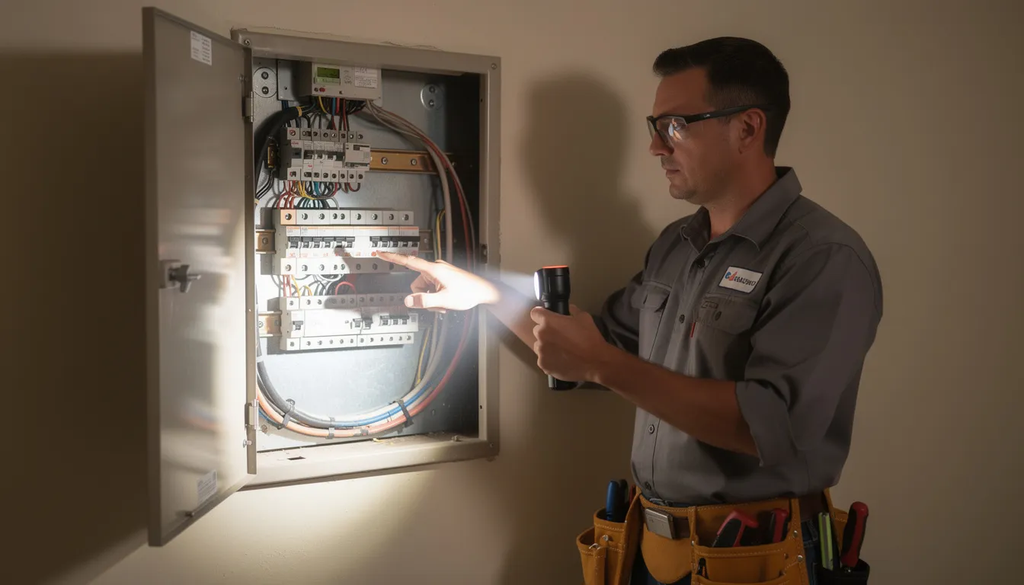
Your contract sets a deadline for the inspection too. Honestly, it’s smart to find an inspector before you even make an offer. The good ones fill up fast, especially in spring.
Older Chicago homes come with a few extra things to think about. If the place was built before 1978, there could be lead-based paint, so ask your inspector whether testing is worth it. Ask about a sewer scope too. A camera goes down the line and shows you what you’re dealing with. Buying a condo? Your attorney will usually go through the association’s paperwork as well. That’s its own thing, separate from the walk-through inspection.
When the report comes back, you and your agent figure out what to ask the seller for. Maybe it’s repairs. Maybe it’s a credit at closing or a lower price. Sometimes it’s nothing at all. Whatever you agree on, your attorney gets it in writing.
Step 7: Appraisal, Underwriting, and Title
If you’re getting a mortgage, your lender will send out an appraiser to make sure the house is actually worth what you’re paying. Most of the time it checks out. When it doesn’t, you’ve got a few choices. You can go back to the seller and renegotiate, cover the difference with your own cash, or, if your contract allows it, back out.
While that’s happening, an underwriter is going through all your paperwork. They’ll probably come back asking for more, sometimes more than once. Get it to them quickly. And please, don’t buy a car or open a new credit card right now. We’ve watched loans fall apart over a new couch on credit. Leave your finances alone until you have the keys.
There’s also a title company working in the background. Their job is to dig through public records and make sure the seller really owns the place and can sell it, with no old liens or other surprises hanging off it. You’ll typically pay for the lender’s title insurance. There’s a separate owner’s policy too, which covers you, not the bank. It’s optional, but worth asking about. Your attorney or the title company can walk you through the difference.
Step 8: Closing Disclosure and Final Walkthrough
Your lender has to get you a Closing Disclosure at least three business days before you close. It’s the final version of your loan: the terms, the rate, and what you’re paying at the table. Grab the Loan Estimate they gave you back at the start and compare them line by line. Fees shift a little sometimes, and that’s normal. But if something jumped and nobody told you why, call your lender and ask before you sign anything.
A few changes are serious enough to reset the clock. If your loan type switches, or your APR climbs past what the rules allow, you’ll get a new disclosure and another three-day wait. Nobody wants that a week before moving day, which is one more reason to read the first one carefully.
The final walkthrough usually happens a day or two before closing. Think of it as making sure you’re getting the house you agreed to buy. Were the repairs done? Did the movers ding a wall on the way out? Is the washer still there if it was in the contract? Take your time with it. Once you sign, fixing any of that gets a lot harder.
Step 9: Closing Day
Closing day is mostly a lot of signing. You’ll go through the loan papers and the documents that transfer the house to you, pay whatever’s left of your down payment and costs, and then someone hands you the keys. Don’t forget your driver’s license or another government photo ID. People do forget, and it holds everything up.
A quick but serious warning about wire fraud. If you’re wiring money, call the title company or your attorney to confirm the instructions before you send a cent. Use a phone number you already had, not one from an email, even if that email looks completely legit. Scammers know exactly when buyers are about to move a big chunk of money, and once a wire’s gone, getting it back is a long shot.
After the dust settles, ask your attorney or the Cook County Assessor’s office about homeowner exemptions. They can take a real bite out of your property tax bill, and a lot of new owners never apply. Then put your closing papers somewhere safe. You’ll want them again someday, probably when you least expect it.

How Long Does It Take to Buy a House in Chicago?
Honestly, it depends on which part you mean. Finding the right place is the unpredictable bit. Some buyers fall for the third house they see. Others look for six months. A lot of it comes down to your budget, how picky you are, and what happens to be for sale when you start looking.
Once you’re under contract, things get more predictable. Your contract sets the closing date, and if you’re getting a mortgage, that’s usually somewhere around 30 to 60 days out. It can stretch longer, though. A slow appraisal, a pile of condo paperwork, a certain loan type, or a little back-and-forth after the inspection can all add time. Paying cash? You can often close a lot sooner.
Common Mistakes Chicago Buyers Make
- Touring before you’re preapproved. You’ll fall for homes outside your budget, and a ready buyer may snap up the good one first.
- Overlooking the total monthly cost. Taxes, insurance, and condo assessments change what a payment actually feels like.
- Waiting to call an attorney until after you’ve signed. Review deadlines are short.
- Making a big purchase before closing. A new car loan shifts your debt-to-income ratio and can put your approval at risk.
- Treating the inspection as a box to check. It’s your best chance to learn what the house really needs.
A First-Time Home Buyer Checklist
Save this one:
- Check your credit reports and set a monthly budget
- Estimate your down payment and closing costs
- Compare Loan Estimates from at least three lenders
- Get preapproved
- Ask about IHDA and other assistance programs
- Choose an agent and a real estate attorney
- Book an inspector
- Compare your Closing Disclosure with your Loan Estimate
- Do the final walkthrough
- Verify wire instructions by phone
Frequently Asked Questions
How long does it take to buy a house once my offer is accepted?
Most of our financed buyers close in about a month to two months. Your contract has the actual date written in. What usually slows things down is the appraisal, the lender’s underwriting, or going back and forth with the seller after the inspection.
How to get preapproved for a mortgage: what do lenders ask for?
Pay stubs from the last month or so, your W-2s (or tax returns), and recent bank statements. They’ll pull your credit too. Self-employed? You’ll need more, usually two years of returns and sometimes a profit and loss statement. Get your lender’s list early. Scrambling for paperwork the week before closing is no fun.
Do I need a real estate attorney in Chicago?
Technically, not always. But here’s the thing: nearly every Chicago-area purchase contract includes an attorney review period, and you really want a pro reading it with you. We’d never go without one. Your agent likely knows a few good ones. Ask what they charge before you commit, since some do flat fees and some don’t.
How much cash do I need for closing costs for home buyers?
We wish there was one number. There isn’t. It swings based on your loan, the price, and the property. You’ll get a rough breakdown on your Loan Estimate early on, then the real numbers on your Closing Disclosure. Compare them. If something went up, ask.
What’s the difference between prequalification and preapproval?
A prequalification is basically a guess, based on what you tell the lender about your money. A preapproval means they’ve actually looked at your documents and your credit. Sellers know the difference, and they’ll treat your offer accordingly.
Is there help with a down payment in Illinois?
Yes, for a lot of buyers. IHDA (the Illinois Housing Development Authority) has programs that help with down payment and closing costs. You go through one of their approved lenders, and whether you qualify depends on your income, credit, and the price of the home. The programs change from time to time, so look at IHDA’s site for what’s current before you plan around a specific amount.
The Bottom Line
Buying a home can feel like a lot. But when you break the home buying process step by step, it’s mostly about doing things in the right order. Figure out what you can afford. Get preapproved. Find a good agent and attorney. Don’t rush the attorney review or the inspection. And actually read your disclosures before closing day, not in the car on the way there. Once you get past all the industry jargon, it’s really just a handful of decisions, one after another, and none of them are as scary as they sound.
Buying in Chicago and want someone local to bounce ideas off? David Williamson and the team at Choice Realty Group are always glad to sit down, look at your timeline, and talk through your options. No pressure, just a conversation. Give us a call or send a message whenever you’re ready.